Table Of Content

Using the narrow tip of a clean pair of tweezers (you should rinse it with alcohol or use an alcohol wipe) tease the ingrown hair out of the follicle. If the hair becomes invisible or if you can’t get it out without too much poking or bleeding, stop and give a dermatologist’s office a call. Dermatologists weigh in on the safest way to get rid of ingrown hair—plus, how to prevent them from happening in the first place.
Medical Professionals
The bacteria can come from what’s naturally on the surface of the skin, or you may drag bacteria into a razor bump if you pick at it or try to dig it out on your own, says Dr. Wechsler. “Don’t try to pop them and don’t try to pick them,” she warns. Hair removal is the root cause of ingrown hairs, since they occur when hair starts to grow back and curves to burrow into the skin. Shaving is a big culprit because pulling on your skin as the razor glides can draw hair back into the skin, and shaving also gives hair strands a sharp edge that makes piercing the skin easier. Alternatively, your doctor might prescribe topical treatments like retinoids, which help reduce skin hyperpigmentation and remove dead skin cells. They also might prescribe steroids, which reduce inflammation and swelling.
Best Ingrown Hair Treatments for Men - Men's Journal
Best Ingrown Hair Treatments for Men.
Posted: Thu, 28 Sep 2023 07:00:00 GMT [source]
How to Remove an Ingrown Hair Safely, According to Dermatologists

Ingrown hairs are hair follicles that grow in the wrong direction. Getting rid of them can be even more challenging than getting rid of pimples, but there are some great natural remedies you can try. You can also try other hair removal methods that are less likely to lead to ingrown hairs. Those include creams that dissolve hair and a laser or electric current (electrolysis) to remove the hair follicle for good.
Try salicylic acid
Trying to remove them can sometimes interfere with the healing process and cause them to last longer. This removes a dead layer of skin cells and helps release ingrown hairs. Make small, circular motions to wash the affected areas with a washcloth, exfoliating brush, exfoliating gel, or scrub. In short, you may remove ingrown hair by keeping the area clean and using sterilized tools! Remember to use a warm compress to reduce inflammation as well.
Typically, new hair grows straight out of the follicles in the skin. As the hair matures, it exits the skin’s surface and continues to grow. But sometimes, the hair grows crooked or curls back under before it has a chance to exit the skin.

Deep ingrown hairs frequently arise when a hair has been removed and then starts growing back and curves into the skin. Anyone can experience an ingrown hair, but people who shave, tweezes or wax hair on their bodies are more at risk for developing ingrown hairs. According to the Mayo Clinic, having tightly curled hair is the number one risk factor for experiencing ingrown hairs. When tightly curled hair is cut and starts to grow back, it’s more likely to re-enter the skin rather than grow in a normal fashion.
Find more top doctors on
In most cases, ingrown hairs usually heal themselves within one to two weeks with only minor irritation, as they eventually release from your skin as they grow longer. Infections can develop around the ingrown hair, causing pus formation, discoloration and pain, though. If you see signs of infection, you should visit your healthcare provider. You can also remove an ingrown hair that has looped or curled back into your skin by gently pulling it out with a sterile needle, pin or tweezers. Apply rubbing alcohol to your surrounding skin to prevent an infection. Then, carefully thread the sterile needle, pin or tweezers through the exposed hair loop.
'However, if they are painful and appear inflamed, it is important to treat them so as not to cause infection. If they are sore, you should consult a dermatologist or your GP, who can help by prescribing relevant medication to move the dead skin cells along faster and soothe the discomfort,' reveals Dr Liakas. Ingrown hairs are sometimes called razor bumps, shave bumps or barber bumps.
If your ingrown hairs aren’t going away with at-home treatments and a good skincare routine, or if you’re ingrown hairs become infected, call your healthcare provider. An ingrown hair looks like a raised, discolored spot on your skin. It’s a strand of hair that grows back into your skin after shaving, tweezing or waxing.
Your hair grows out of little pockets called follicles, according to the American Academy of Dermatology (AAD). An ingrown hair starts growing in its follicle normally, but after emerging into the world, it doubles back and reenters your skin. Compared to other hair-removal methods, this happens most often when you’re shaving.
Gently lift the hair loop until one end releases from your skin. Another option for ingrown hair removal is good old patience or the “wait and see” approach. Ingrown hairs may not be pleasant, but it’s very common for them to resolve on their own without you doing anything. Whatever you do, do not scratch at or try to pick at an ingrown hair with your fingers because this can increase infection as well as scarring risk. If an ingrown hair is very painful and home remedies aren’t working, your dermatologist can give you a small cortisone injection to calm the inflammation, or a topical antibiotic to prevent infection.
If you keep getting ingrown hairs and they are purely an annoyance, you may make an appointment with a dermatologist. Whatever you do, do not try to pick an ingrown hair out that is deeply embedded under the skin as this will often lead to infection. If you're really seeking a full routine, Dr. Marmur recommends applying Fur's luxe Ingrown Concentrate after shaving and using exfoliating pads. Put it on any areas where you're prone to bumps, and it'll help to both prevent and soothe irritation. SELF does not provide medical advice, diagnosis, or treatment. Any information published on this website or by this brand is not intended as a substitute for medical advice, and you should not take any action before consulting with a healthcare professional.
Exfoliation also gently scrapes away the dead skin cells that accumulate on top of the skin. This layer of dead cells can trap new hairs inside the follicles, causing them to grow inward. In this article, we describe how to safely remove ingrown hair on the legs and prevent the issue from recurring. Whichever part of the body you shave, the hair in the area will grow in the same direction. Shaving in the opposite direction of how the hair grows will cause the hairs to become sharp and possibly pierce the skin and grow inward. A good razor and quality shaving cream will move effortlessly on the skin, removing all hairs in their tracks.
If it’s difficult to see the area, use extra lighting like an LED ring light and a magnifying mirror. This will allow you to grasp only the hair and avoid damaging your skin. The market has exploded with skin care products with different ingredients to help with ingrown hairs. Major online beauty and drug stores carry these products. If you’re aiming for a smooth, hair-free look, ingrown hairs can ruin the effect.
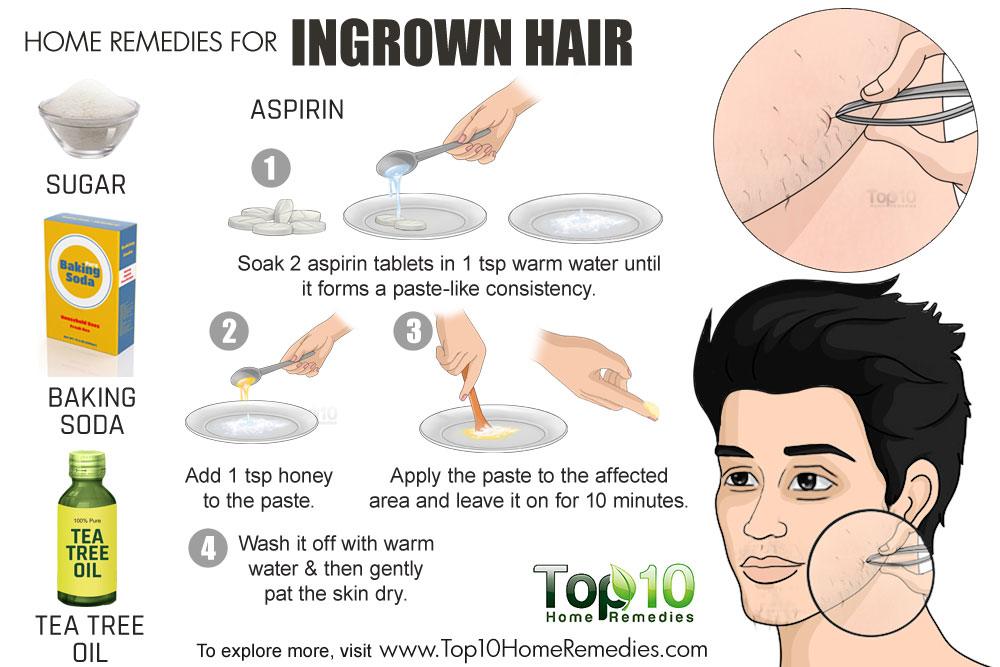
Try leaving it alone, but if if it's causing issues try gentle a warm compress, gentle exfoliation and salicylic acid. If you want to shave, or remove hair in another way, there are things you can do to prevent ingrown hairs and help them get better quicker. You may be more likely to get ingrown hairs if you have coarse or curly hair. Complications of chronic ingrown hair can include a bacterial infection (due to scratching), permanent scarring, skin darkening (hyperpigmentation) and pseudofolliculitis barbae, also known as razor bumps. Simply apply a drop or two of pure tea tree oil to ingrown hairs once a day to discourage infection and inflammation while promoting healing. This essential oil from the Melaleuca alternifolia plant is well-known for its ability to improve skin health.
“Once the ingrown hair is there, you need to treat it nicely, or you’ll make it worse through inflammation,” Dr. Gohara explains. After gently massaging the bumps with your mitt or scrub in the shower, towel dry the area and then dab on a salicylic acid–based spot treatment morning and night. If the ingrown hair is on your face or in your beard, stick to once a day application. “Salicylic acid is really effective at breaking through and dissolving excess skin cells, and it’s not usually irritating,” she says. It’ll typically take three to five days of consistent application to break down the ingrown hair. If you often develop infected ingrown hairs, the doctor may take a skin sample for testing.



No comments:
Post a Comment